Buy Gmail App Password Accounts
Get reliable Gmail accounts ready for your online needs. Choose the quantity you need and place your order with MaxPVA for fast delivery and responsive customer support.
Fresh Gmail App Password Accounts
Starter
$45
50 Gmail Accounts
Business
Popular
$75
100 Gmail Accounts
Bulk
$350
500 Gmail Accounts
Aged Gmail App Password Accounts
Starter
$100
50 Gmail Accounts
Business
Popular
$150
50 Gmail Accounts
Premium
$199
50 Gmail Accounts
Gmail App Password Accounts: Features, Setup, Security, and Email Compatibility
Choosing the right email setup is important for people who use desktop email clients, mobile applications, business tools, and automated workflows. Users searching for Buy Gmail App Password Accounts or Buy Old Gmail App Password Accounts often want to understand how Gmail app passwords work, which applications support them, and how to manage email access securely.
At MaxPVA, understanding email compatibility, account security, and access requirements can help users make informed decisions about their digital workflows. Gmail app passwords are designed for specific situations in which an application needs to access a Google Account using an alternative sign-in method. However, they are not a replacement for regular account passwords, and they are not available for every account or configuration.
This guide explains Gmail app passwords, supported use cases, setup requirements, security considerations, and common troubleshooting steps. It also discusses the terms Buy App Password Gmail Accounts and Buy App Password Gmail PVA Accounts from an informational perspective, helping readers understand what these searches mean and what to consider before choosing an email solution.
What Are Gmail App Passwords?
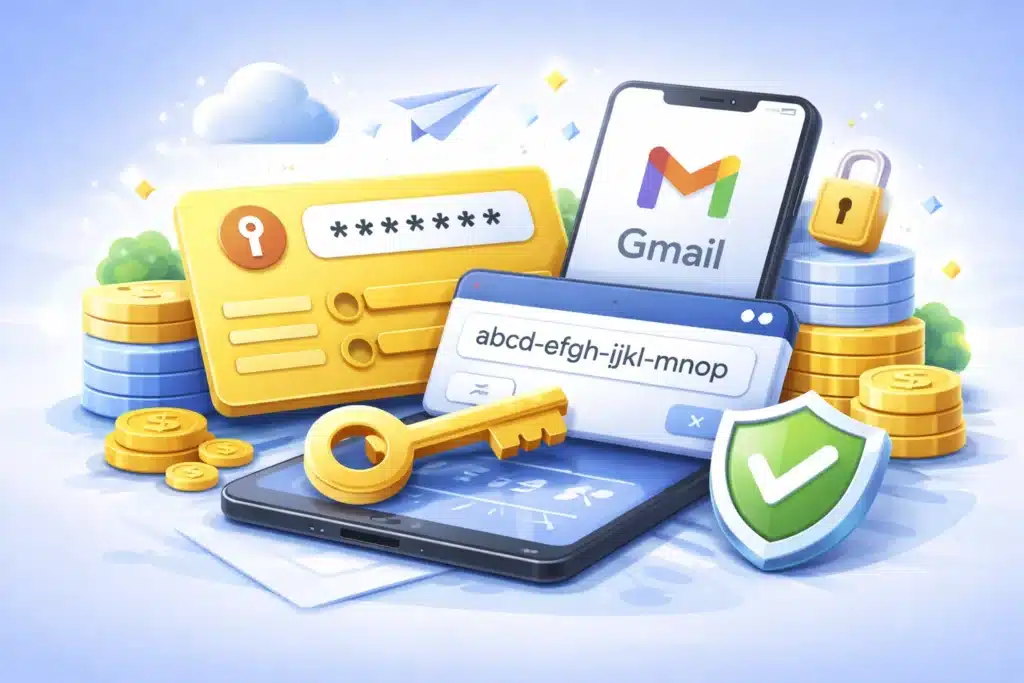
A Gmail app password is a special, typically 16-character password that can allow certain applications or devices to access a Google Account when the application cannot use Google’s standard sign-in process. It is different from the account’s normal password and is intended for specific compatibility situations.
For example, a user may have an older email application that does not support the sign-in method required by Google. Where the account and application are eligible, an app password may provide an alternative authentication method.
App passwords are not universal login credentials. They do not automatically work with every application, and Google may restrict their availability depending on the account’s security configuration.
How App Passwords Differ From Regular Passwords
A regular Google Account password is used to sign in to the account through supported Google sign-in pages and services. An app password, by contrast, is created for an eligible application or device that requires this alternative authentication method.
The distinction matters because an app password should not be treated as the primary credential for managing an account. Users should continue protecting the main account through strong authentication, recovery options, and security reviews.
If an application supports Google’s modern authentication process, using that process is generally preferable to relying on an app password.
Why Some Applications Require App Passwords
Some older applications and devices do not support modern authentication methods. Depending on Google’s current requirements, an eligible account may be able to use an app password for such a connection.
Common examples can include certain legacy desktop email clients, older mail applications, or devices that need to connect to an email service using a supported password-based method.
However, compatibility depends on the application, account settings, and Google’s policies. An app password should only be used when the application genuinely requires it and the account is eligible.
Are App Passwords the Same as Phone Verification?
No. Phone verification and app passwords serve different purposes.
Phone verification may be requested when Google needs to confirm a user’s control of a telephone number. An app password is an authentication credential intended for an eligible application or device.
People searching for Buy App Password Gmail PVA Accounts may be comparing account verification with application compatibility. It is important to understand that phone verification does not automatically enable app passwords or guarantee that a particular account can use them.
Understanding Buy Gmail App Password Accounts Searches
The phrase Buy Gmail App Password Accounts is commonly used by people looking for Gmail accounts that can connect to compatible applications through app passwords. However, the phrase alone does not establish whether an account is eligible, secure, or suitable for a particular purpose.
App password availability is controlled by Google and depends on account configuration and security requirements. An account’s advertised features cannot guarantee that app passwords will remain available or that a third-party application will accept them.
Check the Intended Application First
Before choosing an email solution, identify the application or device you want to connect. Check whether it supports Google’s recommended authentication methods and whether an app password is genuinely required.
Many modern applications support Google’s standard sign-in flow, which can provide a more secure and convenient connection without creating an app password.
If the application requires an app password, review Google’s current instructions to confirm that the account meets the eligibility requirements.
Understand Account Eligibility
Not every Google Account can generate app passwords. Availability can depend on the account’s security configuration, organizational policies, and other restrictions.
For example, accounts using certain security configurations or managed by an organization may not have the app password option available. Google can also change its authentication policies over time.
For this reason, users should verify eligibility through Google’s official account settings rather than assuming that a particular account type automatically includes this feature.
Consider Ownership and Recovery
An account’s long-term usefulness depends on secure access and recovery arrangements, not simply the presence of an app password.
Before connecting any account to an application, ensure that you are authorized to use it and can manage its security settings. Avoid using accounts when ownership, recovery access, or permission to access the underlying information is unclear.
This is especially important if the email account is linked to financial services, business systems, customer records, or other sensitive information.
Buy Old Gmail App Password Accounts: What Account Age Means
People searching for Buy Old Gmail App Password Accounts may believe that older accounts offer greater reliability or more consistent access to application passwords. In reality, account age does not guarantee that an account is eligible to create app passwords or that a connection will continue working indefinitely.
App password availability depends on current Google requirements and account settings. An older account may still require additional verification, experience a security restriction, or lack the relevant option entirely.
Does Account Age Guarantee App Password Access?
No. Account age is not a substitute for eligibility.
Even if an account has existed for several years, the app password feature may be unavailable because of its security configuration, organizational management, or other applicable restrictions.
Similarly, an account created more recently may support an appropriate authentication method if it meets the current requirements.
The most reliable approach is to evaluate the intended application and follow Google’s current setup instructions instead of relying on age as the deciding factor.
Why Account History Should Not Be the Only Consideration
Account history is only one part of an account’s overall condition. Security settings, recovery information, access permissions, and the account owner’s ability to respond to security alerts are also important.
For long-term use, keep recovery details updated, use appropriate authentication, and monitor account activity. If the account supports important work, maintain suitable backups of essential information.
Planning for Long-Term Compatibility
Applications can change their authentication requirements, and service providers can update their security policies. An app password that works in a particular environment today should not be considered a permanent guarantee of compatibility.
When planning a long-term workflow, prioritize applications that support current authentication standards. Document the connection process and keep an alternative workflow available for critical business operations.
How to Create a Gmail App Password
The availability of app passwords depends on Google’s current account requirements. If your account is eligible and an application requires this method, follow Google’s official instructions.
Step 1: Review Your Google Account Security Settings
Sign in to your own Google Account and open its security settings. Review the authentication methods available to you and confirm whether the account meets Google’s current app password requirements.
If the app password option is not visible, do not assume that a technical error has occurred. The account may not be eligible, or its configuration may not permit this feature.
Step 2: Confirm the Application’s Requirements
Check the documentation for the email client, device, or application you want to connect. Confirm that it requires an app password and cannot use Google’s standard sign-in process.
If the application supports Google’s recommended authentication flow, consider using that method instead.
Step 3: Generate the App Password If Eligible
If Google makes the feature available for your account, follow the official instructions to generate an app password for the intended connection.
Treat the generated credential as sensitive information. Do not publish it, send it to an unknown person, or store it in an unsecured document.
Step 4: Enter the Credential Into the Supported Application
Use the generated app password only in the application or device for which it is required. Follow the application’s configuration instructions and confirm that the connection works as expected.
Do not replace the account’s normal password with the app password when signing in through Google’s standard login page.
Step 5: Review the Connection Periodically
Check that the application continues to function and that the account remains secure. If you no longer use the application, remove the associated access by revoking the relevant app password where the option is available.
If the connection stops working, review Google’s current requirements and the application’s documentation before generating another credential.
Common Uses of Gmail App Passwords
App passwords can be useful in specific compatibility situations, but they are not necessary for every email workflow. The appropriate method depends on the software, account configuration, and security requirements.
Desktop Email Applications
Some desktop email clients support Google Accounts through modern authentication. Older clients may have different requirements, and an app password may be an option where Google permits it.
Before configuring a desktop application, review the supported authentication methods and use the most secure option available.
Mobile Email Applications
Many modern mobile applications can connect to Gmail through Google’s standard sign-in process. This often provides easier account management and access to supported security features.
If a mobile application requests an app password, confirm that it is legitimate, up to date, and genuinely requires this method.
Legacy Devices
Certain older devices may support only limited authentication methods. This can create compatibility problems when connecting to a modern email service.
If a device cannot support Google’s current authentication requirements, consider updating its software, choosing a compatible application, or replacing the device where practical.
Business Email Workflows
Businesses may use email to support customer communication, internal coordination, and notifications from approved software. When selecting an email integration, prioritize supported authentication methods and clearly documented ownership.
For larger organizations, managed email solutions and centrally administered applications may provide better control over access and security than a collection of individually configured accounts.
Security Best Practices for Gmail App Passwords
App passwords provide an alternative authentication method, but they must be handled carefully. Anyone who obtains a valid credential may be able to use it within the permissions and restrictions associated with that connection.
Keep App Passwords Private
Treat an app password as confidential. Do not publish it in a website, public repository, support ticket, or shared document that is accessible to unauthorized people.
If an app password may have been exposed, revoke it where possible and review the account’s security activity.
Use Separate Credentials for Separate Applications
Where supported, use distinct app passwords for different applications or devices. This makes it easier to identify and revoke a particular connection without unnecessarily disrupting unrelated workflows.
Avoid creating app passwords without a clear purpose, and remove credentials that are no longer needed.
Maintain Strong Account Security
App passwords do not remove the need for a strong main account password, updated recovery information, and appropriate security settings.
Review recent activity, investigate unfamiliar sign-ins, and follow Google’s instructions if you suspect unauthorized access.
Revoke Unused App Passwords
If you stop using an application, revoke its app password where possible. Regularly reviewing credentials helps reduce the number of unnecessary access points associated with an account.
If an account is compromised, review all available access methods and follow Google’s official recovery guidance.
Avoid Sharing Credentials With Unknown Parties
Never share account passwords, app passwords, or verification codes with people who claim they need them to activate a service without proper authorization.
Before connecting an account to third-party software, check the application’s reputation, requested permissions, privacy practices, and official documentation.
Understanding Buy App Password Gmail Accounts for Business Needs
The phrase Buy App Password Gmail Accounts can represent different requirements. Some users need to connect an existing account to an email client, while others are looking for a scalable way to manage email integrations.
The right solution should be based on the underlying task rather than an assumption that an account with a pre-existing app password will necessarily work.
Evaluate Your Software Requirements
List the applications and devices that need email access. Check which authentication methods each one supports and whether the software is actively maintained.
For a business workflow, consider whether the application can use Google’s recommended authentication method or an approved integration. This can reduce reliance on credentials that may be difficult to manage over time.
Review Access Permissions
Give applications only the access they need. Avoid granting unnecessary permissions and remove integrations that are no longer required.
For team environments, document who approved each integration, which account it uses, and who is responsible for maintaining it.
Plan for Troubleshooting
Email integrations can fail because of expired or revoked credentials, software updates, security changes, incorrect configuration, or account restrictions.
Keep a record of the setup process and identify a responsible person who can investigate problems. For business-critical systems, consider a documented fallback process.
Understanding Buy App Password Gmail PVA Accounts
The term Buy App Password Gmail PVA Accounts combines two concepts: phone-verified accounts and application-specific credentials. These concepts are separate, and one does not automatically guarantee the availability of the other.
Phone verification may be requested by Google in particular circumstances. App passwords, on the other hand, are available only when Google’s current account and security requirements permit them.
Phone Verification Does Not Guarantee App Password Availability
An account that has completed phone verification may still be unable to create an app password. The option can depend on security settings, organizational restrictions, and other eligibility requirements.
Likewise, phone verification does not guarantee that an account will avoid future security checks or remain accessible indefinitely.
Focus on Authorized Access and Compatibility
Before connecting an email account to a third-party application, confirm that you are authorized to use the account and that the application supports the intended authentication method.
Avoid assuming that advertised account features will remain available permanently. Check current requirements and ensure that you can manage the account’s recovery and security settings.
Choose the Right Email Setup
For personal use, a standard Gmail account with supported authentication may be sufficient. Businesses with multiple users or administrative requirements may benefit from a managed email solution.
The best choice depends on the application’s needs, the sensitivity of the information involved, and the level of control required over account access.
Troubleshooting Gmail App Password Problems
If an app password does not work, first determine whether the account is eligible and whether the application supports this authentication method.
The App Password Option Is Missing
Review Google’s current requirements and your account’s security configuration. Certain account types, security settings, or organizational policies may prevent app password creation.
If the option remains unavailable, use a supported authentication method rather than attempting to bypass the restriction.
The Application Rejects the Credential
Check that you entered the credential correctly and that the application supports app passwords. Review the application’s documentation for current configuration requirements.
If the issue continues, revoke an exposed or unnecessary credential and follow Google’s guidance before creating another one.
The Connection Stops Working
An integration may stop working after a software update, security change, or credential revocation. Check account activity, review the application’s authentication requirements, and confirm that the account remains eligible.
Avoid repeatedly attempting unfamiliar workarounds. Use official documentation to identify the cause and restore access safely.
You Suspect Unauthorized Use
If you suspect that an app password has been exposed, revoke it where possible and review your account’s security activity. Update your main account password if necessary and follow Google’s account recovery guidance.
Check other connected applications as well, particularly if the account contains sensitive business or personal information.
Why Choose MaxPVA for Email Guidance?
MaxPVA aims to help users understand digital account requirements, email compatibility, and secure account management. Choosing an appropriate email workflow begins with identifying the software you need to use, the access it requires, and the security controls that must remain in place.
Whether you are a freelancer, business owner, or digital professional, understanding the difference between regular account credentials and app passwords can help you avoid unnecessary setup issues.
Support for Different Email Requirements
Different users have different technical needs. Some require guidance on desktop email clients, while others need help understanding authentication requirements for business software or legacy devices.
Before choosing a solution, identify your application, confirm the supported authentication methods, and review the relevant account requirements.
Bulk and Custom Inquiries
For questions about legitimate email integrations, business requirements, or custom technical needs, you can contact MaxPVA through the website’s live chat or its available support channels.
You can reach the team by email at support.maxpva@gmail.com, through Telegram at @verifiedxone, or through WhatsApp at +15158051893. Explain your intended use and technical requirements so the team can better understand your inquiry.
Delivery Expectations and Cryptocurrency Payments
Where a supported service includes delivery, the timing depends on availability and the nature of the order. Standard orders may be fulfilled instantly or within one to two hours. Bulk, custom, or stock-related delays may require two to twelve hours.
Confirm the service details, availability, and estimated delivery time before placing an order. MaxPVA accepts cryptocurrency payments only. Confirm the supported cryptocurrency, network, wallet details, and applicable order terms through an official support channel before sending funds.
Frequently Asked Questions
1. What Are Gmail App Password Accounts?
The term generally refers to Gmail account setups intended for applications that require an app password. An app password is a special credential for certain eligible applications and is not a replacement for the account’s regular password.
2. How Do I Create a Gmail App Password?
Sign in to your own Google Account, review its security settings, and follow Google’s official instructions if the feature is available. App password access depends on eligibility and current account requirements.
3. Are Old Gmail App Password Accounts More Reliable?
No. Account age does not guarantee app password availability, long-term compatibility, or uninterrupted access. Security configuration, account ownership, recovery information, and current Google requirements are also important.
4. Does Phone Verification Guarantee App Password Access?
No. Phone verification and app passwords serve different purposes. An account may be phone-verified but still not be eligible to create app passwords.
5. Can Every Email Application Use a Gmail App Password?
No. Application compatibility varies. Many modern applications support Google’s standard sign-in process, while certain older applications may require another supported method. Check the application’s official documentation before configuring it.
6. What Should I Do If My App Password Stops Working?
Check whether the account remains eligible, confirm that the application supports app passwords, and review the configuration instructions. If the credential may have been exposed, revoke it where possible and review your account’s security activity.
7. How Can I Contact MaxPVA About Email Requirements?
You can contact MaxPVA through website live chat, email at support.maxpva@gmail.com, Telegram at @verifiedxone, or WhatsApp at +15158051893. Explain your intended application and requirements when making an inquiry.
8. Which Payment Methods Does MaxPVA Accept?
MaxPVA accepts cryptocurrency payments only. Confirm the supported currency, network, wallet details, and order terms through an official support channel before completing a payment.
Conclusion: Choose the Right Gmail App Password Solution
Gmail app passwords can help eligible users connect certain applications that cannot use Google’s standard sign-in process. However, they are not required for every email client, and their availability depends on Google’s current requirements and the account’s security configuration.
Searches for Buy Gmail App Password Accounts, Buy Old Gmail App Password Accounts, Buy App Password Gmail Accounts, and Buy App Password Gmail PVA Accounts often reflect questions about compatibility, account history, verification, and application access. Understanding these differences is essential when selecting an email setup for personal or business use.
At MaxPVA, the priority is to help users understand their requirements, consider secure authentication methods, and make informed decisions about email management. Before connecting an account to any application, confirm that you have authorized access and that the software supports the intended sign-in method.
If you are exploring other email services, the next related topic is Hotmail Accounts, where you can learn about Microsoft’s email service, account security, inbox organization, and compatibility with supported email applications.

